

Knee Pain Physiotherapy in Perth & Regional WA
Knee pain can affect walking, stairs, work, gym training, running and sport. Our Physiotherapists assess knee symptoms at Mount Pleasant, Belmont and Regional WA clinics, with recommendations based on your presentation, activity demands and goals.
Symptoms may begin after an injury or develop gradually following changes in exercise, work or daily activity. A Physiotherapy assessment can help determine which movements are aggravating symptoms, what load the knee is currently tolerating and how activity may be rebuilt gradually.
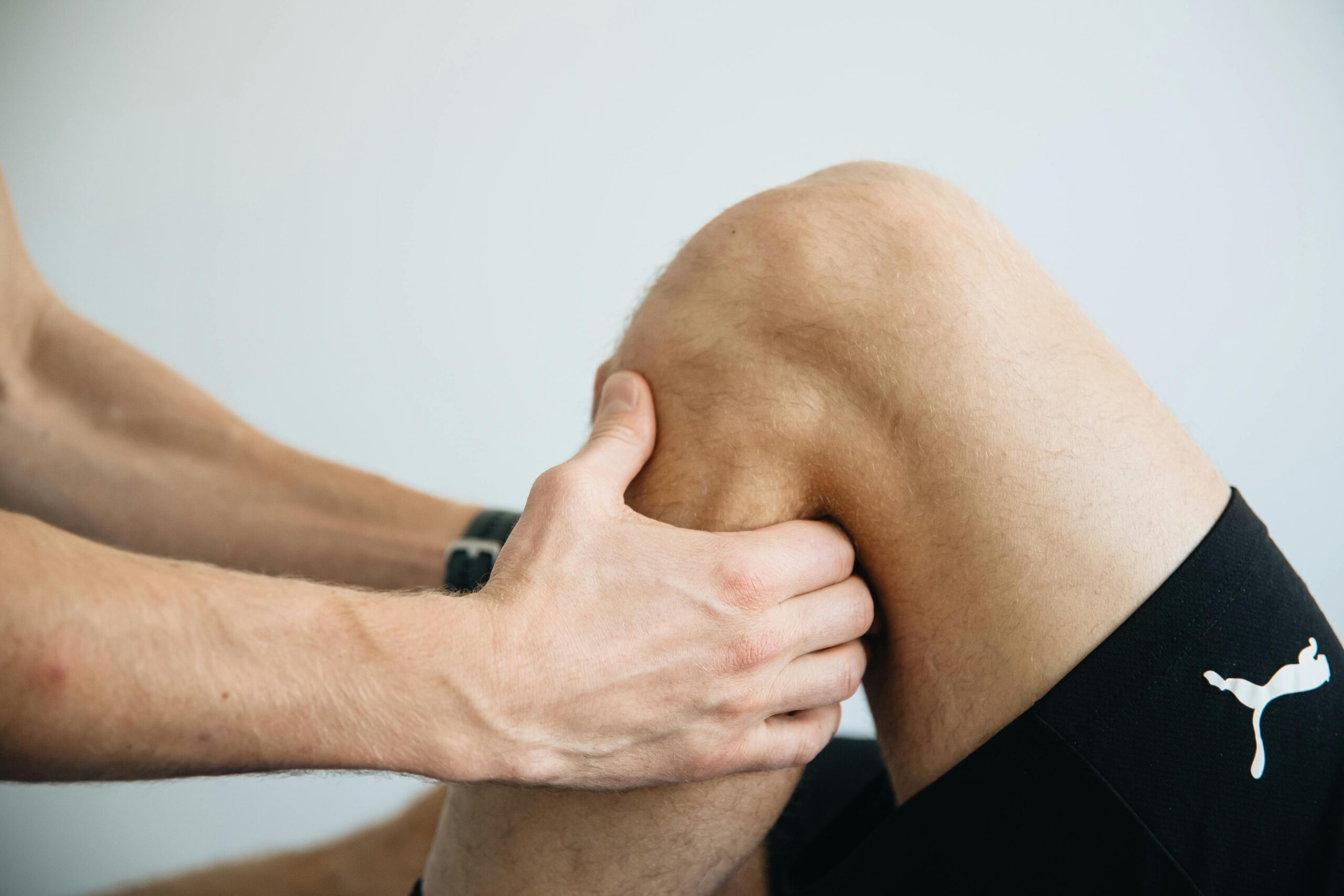
Book a Knee Pain appointment
If knee pain is affecting work, walking, exercise or confidence with movement, a Physiotherapy assessment can help clarify the next step.
Prefer educational guidance as well?
Visit our Physio Tips page for general Physiotherapy information, movement guidance and practical advice.
Common Knee Pain patterns
Knee symptoms can feel sharp, aching, stiff or unstable depending on the activities involved. Some people experience symptoms after a specific injury, while others notice a gradual change as walking, work or training demands increase.
- Pain with stairs, squats, lunges or getting up from a chair
- Symptoms during or after running, sport or increased walking
- Discomfort with kneeling, pivoting or changing direction
- Swelling or stiffness affecting normal movement
- Reduced confidence when loading or relying on the knee
- Clicking, catching or a sensation of the knee giving way
Many people want a clearer plan for managing daily tasks, exercise and sport without having to guess which activities to reduce or gradually rebuild.
When to consider a Knee Pain appointment
If knee pain is affecting work, sleep, walking, sport or confidence with movement—or if symptoms keep returning—a structured Physiotherapy plan may be useful.
- Symptoms persisting beyond a few days
- Recurring flare-ups with running, gym training or sport
- Swelling or stiffness limiting movement
- Difficulty managing stairs, squats or longer walks
- Reduced confidence returning to exercise or normal activity
- Uncertainty about which activities to modify or gradually rebuild
What a Knee Pain assessment may include
Your Physiotherapist will discuss your symptoms, health history and activity demands before assessing movement, strength and load tolerance. This helps identify which factors may be relevant and guides the next steps in your plan.
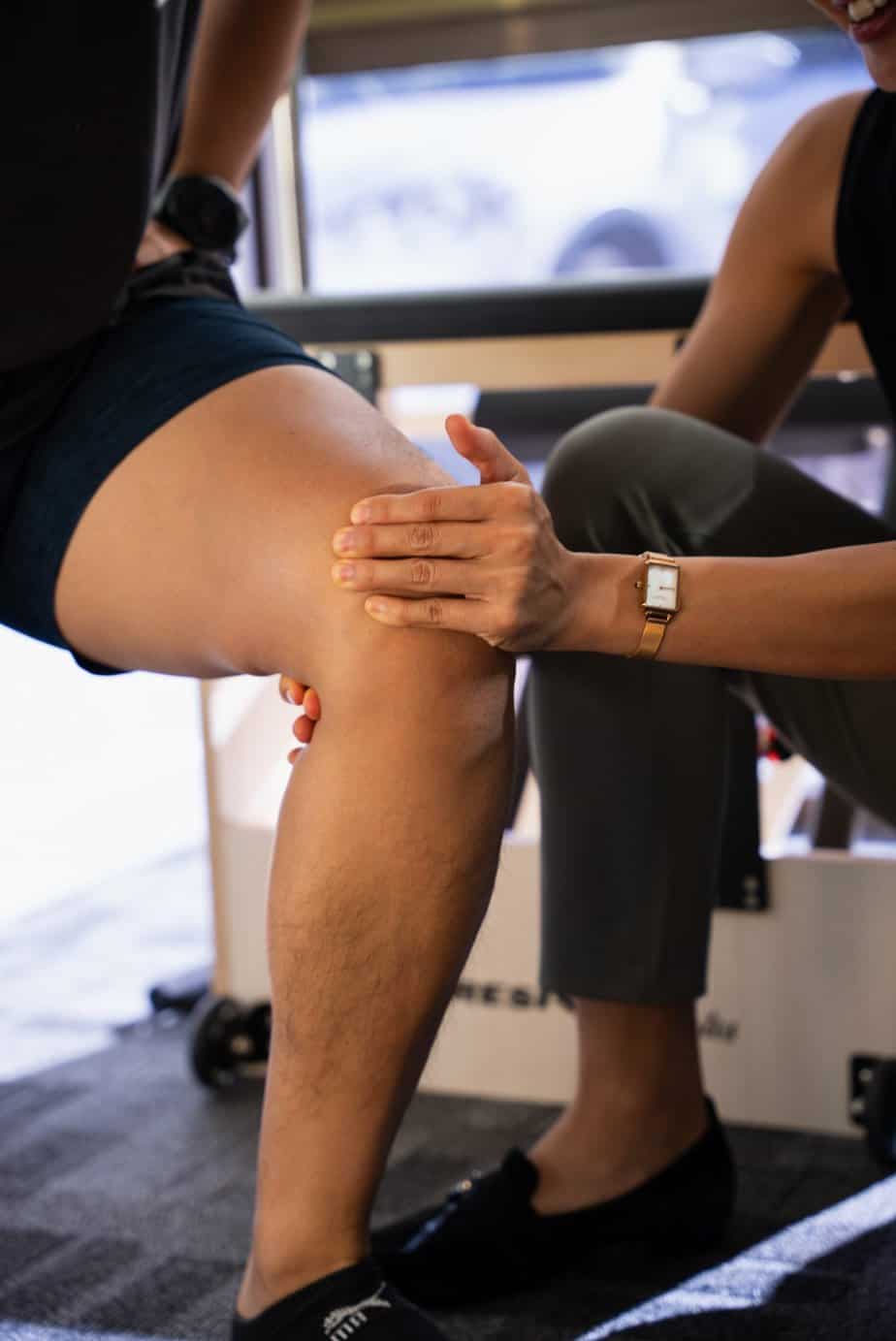
- Assessment of knee movement and symptom response
- Functional movements such as squatting, stepping or balancing where appropriate
- Strength and control through the hips, knees and calves
- Load tolerance for work, sport and everyday activity
- Review of running, gym or sporting demands where relevant
- Assessment of nearby areas, including the hip or ankle, where appropriate
How Physiotherapy may help
Recommendations are individualised according to your assessment findings. Depending on your presentation, your plan may include hands-on Physiotherapy, dry needling where suitable, guided exercise and advice to support movement, strength and confidence with loading.
- Hands-on Physiotherapy where clinically appropriate
- Dry needling where suitable and with your consent
- Education about pacing and activity modification
- Exercises to support strength, control and movement capacity
- Guidance for gradually returning to walking, gym training, running or sport
- Medical or imaging referral where assessment indicates this may be appropriate
Possible contributors to Knee Pain
Knee pain may be influenced by how the knee and surrounding areas are tolerating current demands. Assessment can help identify recent changes in workload, training volume, footwear, terrain or recovery that may be relevant.
- Rapid increases in running, walking or sporting activity
- Changes in footwear, surfaces or terrain
- Strength or capacity that does not yet meet current activity demands
- Movement or mobility through the hip or ankle that may influence knee loading
- Repetitive kneeling, lifting or work-related tasks
- Previous knee injuries or flare-ups affecting confidence with movement
Knee symptoms commonly occur during exercise or sport, so assessment may also form part of a broader Sports Injury Physiotherapy plan.
Managing a Knee Pain flare-up
During a flare-up, temporarily reducing aggravating activities may be more practical than stopping all movement. What is appropriate will depend on the cause and severity of your symptoms.
- Temporarily reduce high-impact or deeper knee-bend activities if they clearly aggravate symptoms
- Continue comfortable movement where possible
- Adjust gym loads or substitute aggravating exercises temporarily
- Gradually reintroduce walking, running or sport as tolerance allows
- Arrange an assessment if symptoms are worsening or not settling
When to seek urgent medical attention
Go to a hospital emergency department if your knee pain follows a major injury, the knee is badly swollen or has changed shape, or you have a fever with a red and hot knee.
Seek prompt medical assessment if your knee is very painful, you cannot move it or put weight through it, or it locks or gives way.
- Severe pain or visible deformity following a fall or accident
- Significant swelling or a change in the knee’s normal shape
- Redness, heat and swelling accompanied by fever
- Inability to bear weight or move the knee normally
- A knee that locks or gives way unexpectedly
- Rapidly worsening symptoms or serious concern following an injury
You can review further guidance on the Healthdirect Knee Pain page .
Knee Pain FAQs
Can I continue exercising with Knee Pain?
It depends on your symptoms and their cause. Some people can continue with modified activity and gradual progression, while others may need assessment before continuing. Severe pain, significant swelling or an inability to bear weight requires prompt medical attention.
Do I need imaging for Knee Pain?
Not always. Imaging can be useful in specific situations, but many knee presentations can initially be assessed clinically. If imaging or medical review appears appropriate, your Physiotherapist can discuss this with you.
Can Physiotherapy help with running-related Knee Pain?
Physiotherapy may be appropriate when knee symptoms are associated with training changes, workload, movement or strength capacity. Assessment can help identify relevant factors and guide a gradual return to running where suitable.
Why does my knee click?
Knees can click for several reasons, and clicking without pain or restricted movement does not necessarily indicate a significant problem. Assessment may be useful if clicking is painful, worsening, associated with locking or affecting function.
Do you offer dry needling for Knee Pain?
Dry needling may be offered when clinically appropriate and with your consent. It is one possible option within a broader Physiotherapy plan that may also include hands-on treatment, education and exercise.
Further reading about Knee Pain
For general Australian health information, read Healthdirect’s information about knee pain .
Related Conditions
You may also find these pages helpful:
Book Knee Pain Physiotherapy in Perth & Regional WA
If knee pain is affecting walking, work, exercise or sport, a Physiotherapy assessment can help identify contributing factors and guide an individual plan. Appointments are available at Mount Pleasant, Belmont and Regional WA clinics.
Related: Physio Tips • Physiotherapy