

Vocal Physiotherapy for Voice Strain, Throat Tension & Breathing Patterns
Hands-on Physiotherapy for physical factors that may contribute to vocal fatigue, throat tension, breathing changes or discomfort with voice use.
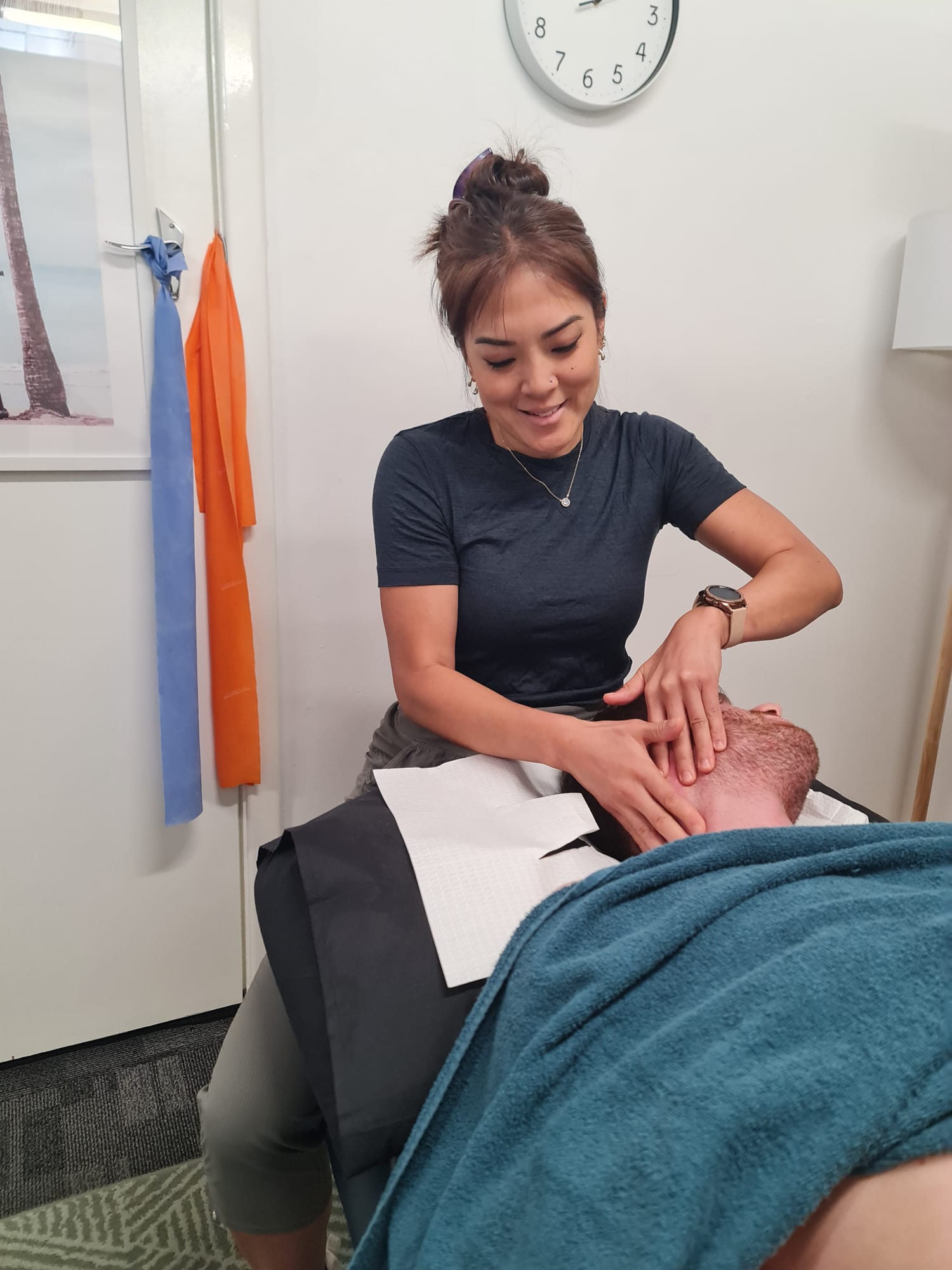
What is Vocal Physiotherapy?
Vocal Physiotherapy considers physical factors that may contribute to voice strain, throat tension, breathing pattern changes or discomfort with voice use.
It may be relevant for teachers, singers, presenters, public speakers, coaches and people whose work or daily activities place high demands on their voice.
Your Physiotherapist may assess the neck, jaw, shoulders, thoracic spine, breathing mechanics, posture and tension around the laryngeal or voice box area. Management is tailored to your presentation and may include hands-on Physiotherapy, breathing guidance, movement strategies and education.
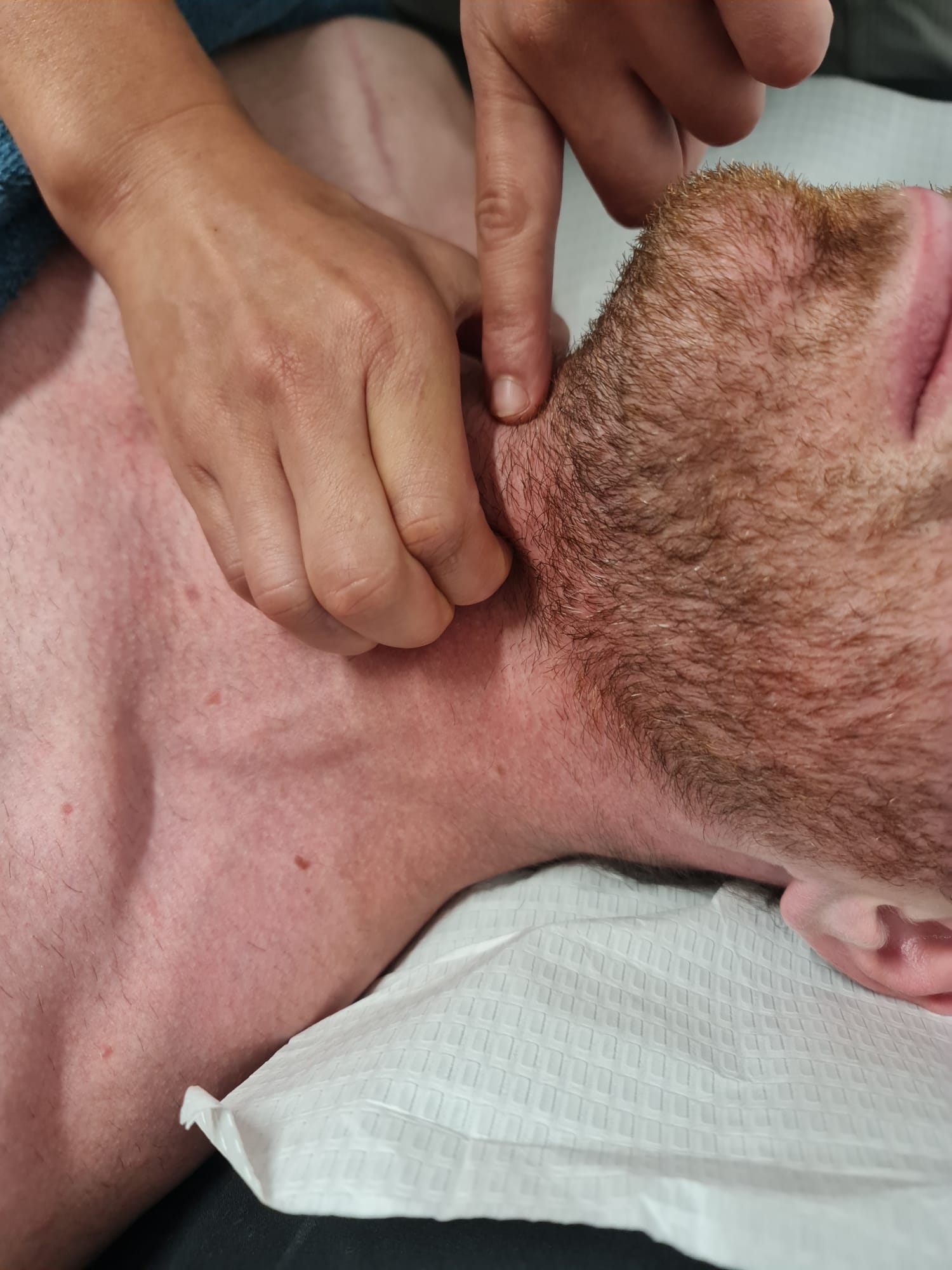
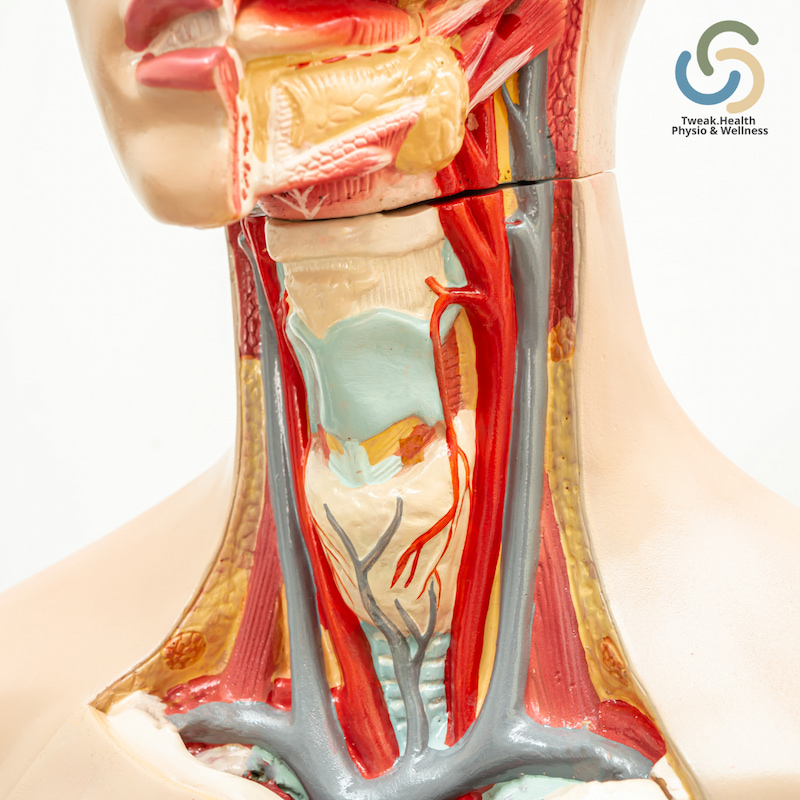
How physical factors may affect voice use
Voice use can be influenced by breathing patterns, neck tension, jaw tension, posture, workload, stress response and muscular tension around the laryngeal area.
Vocal Physiotherapy does not replace medical review or speech therapy where these are needed. It may form part of a broader care approach when physical contributors appear relevant to your symptoms.
Persistent or unexplained hoarseness, sudden voice loss, difficulty swallowing, coughing blood or a new change in your voice should be assessed by your GP or an ENT specialist. Vocal Physiotherapy does not replace appropriate medical assessment.
Physical support for different voice demands
Assessment and treatment are guided by your symptoms, health history, comfort and the way you use your voice.
A physical approach to voice care
Vocal Physiotherapy considers physical contributors such as neck and jaw tension, breathing mechanics, posture and muscular tension around the larynx.
Individual assessment
Treatment is based on your presentation rather than a standard program. Your Physiotherapist will discuss whether physical factors appear relevant to your voice concerns.
Support for professional voice use
Assessment may be relevant for singers, teachers, presenters, coaches and others experiencing fatigue, tension or discomfort during prolonged voice use.
What to expect from your Vocal Physiotherapy session
Your appointment begins with a discussion about your symptoms, health history, voice demands and any medical or speech pathology care you have received.
Your assessment may consider:
- Breathing patterns and diaphragm use
- Neck, jaw and shoulder tension
- Tension and movement around the voice box area
- Thoracic movement and posture
- Voice demands at work, during performance or in daily life
- Stress-related patterns that may influence breathing or tension
Myofascial techniques
Hands-on treatment may be used around the neck, jaw and upper chest where muscular or soft-tissue tension appears relevant.
Laryngeal manual therapy
Gentle, targeted hands-on treatment around the voice box area may be considered following assessment and with your consent.
Breathing guidance
Guidance may address breathing awareness, diaphragm use and upper-chest tension during speaking, singing or other tasks.
Posture and movement strategies
Practical strategies may support comfortable movement, breathing and voice use during work, performance and daily activities.
Who may consider Vocal Physiotherapy?
Suitability depends on your symptoms, health history and individual assessment. Vocal Physiotherapy may be considered when physical factors appear to contribute to voice symptoms.
- People experiencing vocal strain or vocal fatigue
- People with persistent throat tightness or globus sensation
- People with muscle tension dysphonia
- People with diagnosed vocal cord dysfunction
- Singers, teachers, presenters and professional voice users
- People whose voice becomes tired or uncomfortable during the day
- People recovering from illness that has affected breathing or voice use
Vocal Physiotherapy with Susanna Tan
Susanna Tan is Tweak Health’s Founder and Director and an AHPRA-registered Physiotherapist. She has a special interest in Vocal Physiotherapy, including physical factors that may contribute to throat tension, vocal fatigue and discomfort with voice use.
Where appropriate, Physiotherapy may form part of coordinated care alongside your GP, ENT specialist, speech pathologist or vocal coach.
Susanna provides Vocal Physiotherapy appointments at Mount Pleasant, Belmont and Newman.
Appointment fees
Vocal Physiotherapy appointments are charged at Susanna’s standard Physiotherapy consultation rates. Current appointment options and fees are displayed when booking online.
Vocal Physiotherapy FAQs
These answers are general and do not replace individual medical or healthcare advice.
What is Vocal Physiotherapy?
Vocal Physiotherapy considers physical factors that may contribute to voice strain, throat tension, breathing changes or discomfort with voice use. Assessment may include the neck, jaw, shoulders, thoracic spine, breathing mechanics, posture and tension around the laryngeal area.
Can Physiotherapy help with vocal strain?
Physiotherapy may be considered when physical factors such as neck or jaw tension, breathing mechanics, posture or muscular tension appear relevant. Your Physiotherapist can assess your presentation and discuss suitable management or referral options.
Can neck or jaw tension affect voice use?
Neck, jaw and upper-chest tension may influence how some people use their voice, particularly during prolonged speaking, singing or voice-heavy work. Assessment can help determine whether these physical factors appear relevant to your symptoms.
Is Vocal Physiotherapy the same as speech therapy?
No. The services may work alongside each other but have different areas of focus. Speech pathology commonly addresses voice use, communication and speech patterns. Vocal Physiotherapy considers physical contributors such as neck and jaw tension, breathing mechanics, movement and muscular tension around the larynx.
Do I need to see a GP or ENT for voice symptoms?
Persistent hoarseness, sudden voice loss, swallowing difficulty, unexplained throat symptoms, pain, coughing blood or a new change in your voice should be medically assessed by your GP or an ENT specialist. Vocal Physiotherapy may still form part of your broader care where appropriate.
What happens during an appointment?
Your appointment may include discussion of your symptoms, voice demands and relevant health history, followed by assessment of breathing patterns, posture and movement around the neck, jaw, shoulders and thoracic area. Susanna will then discuss appropriate management based on the assessment findings.
Where is Vocal Physiotherapy available?
Vocal Physiotherapy with Susanna Tan is available at Tweak Health’s Mount Pleasant, Belmont and Newman clinics. You can select your preferred clinic below or call (08) 6555 2989 if you would like assistance.
How much does Vocal Physiotherapy cost?
Appointments are charged at Susanna’s standard Physiotherapy consultation rates. Current appointment types and fees are shown through the online booking system.
Book Vocal Physiotherapy with Susanna
Choose your preferred clinic to view Susanna’s available appointments and current consultation fees.
Mount Pleasant
Book Vocal Physiotherapy with Susanna at our Mount Pleasant clinic.
View Mount Pleasant appointmentsBelmont
Book Vocal Physiotherapy with Susanna at our Belmont clinic.
View Belmont appointmentsNewman
Book Vocal Physiotherapy with Susanna at our Newman clinic.
View Newman appointmentsNeed help choosing an appointment? Call (08) 6555 2989 or visit our locations and bookings page .