

Sports Injury Physiotherapy in Perth & Regional WA
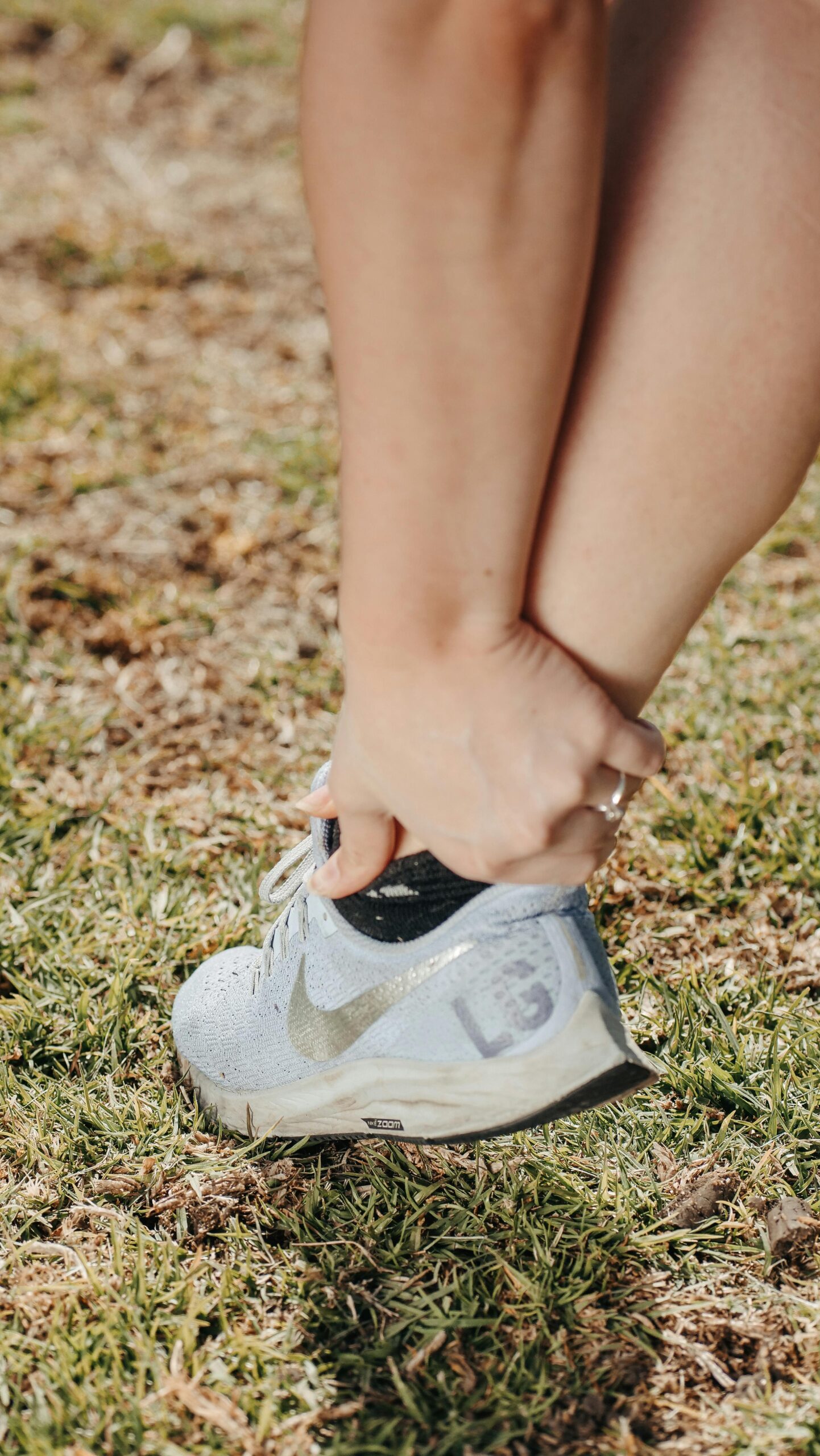
Sports injuries can affect training, competition, work and confidence with movement. Symptoms may follow a sudden incident or develop gradually as training volume, intensity or activity demands change.
Our Physiotherapists provide sports injury assessment and rehabilitation planning at Mount Pleasant, Belmont and Regional WA clinics. Your appointment considers the injured area, movement, strength, training demands and goals before suitable next steps are discussed.
Book an appointment
Choose your preferred clinic and secure a suitable appointment time. An assessment can help clarify the injury, identify relevant contributing factors and guide a practical return-to-activity plan.
Prefer more information first?
Visit our Physio Tips page for general education or review our Fees & Funding information.
Common sports injury patterns we see
Sports-related symptoms vary according to the activity, area involved and how the injury occurred. Some begin during one clear incident, while others build gradually over several training sessions.
- Muscle strains following sprinting, lifting, jumping or rapid movement
- Ligament sprains involving areas such as the ankle, knee or wrist
- Tendon-related pain associated with repeated loading
- Joint pain, stiffness or swelling after training or competition
- Gradual overuse symptoms without one obvious injury event
Areas commonly affected
Sports injuries can involve different parts of the body depending on the movements, forces and training involved.
- Ankle pain following landing, running or changes of direction
- Knee pain during running, jumping, squatting or field sports
- Hip pain associated with running, kicking or gym training
- Shoulder pain during throwing, swimming, lifting or contact activity
- Elbow pain linked with racquet sports, gripping or upper-body training
When to consider an appointment
An assessment may be useful when symptoms are limiting training, work or normal movement, or when the same problem returns each time activity increases.
- Symptoms persisting beyond the first few days after an injury
- Recurring flare-ups when returning to training
- Swelling, stiffness or reduced confidence through a joint
- Difficulty running, jumping, lifting, kicking or throwing
- Uncertainty about when or how to resume sport
What an assessment may include
Your Physiotherapist will take a detailed history and assess the injured area in relation to the movements and demands of your activity.
- Discussion of how the injury occurred
- Assessment of movement, strength and joint function
- Relevant muscle, tendon or ligament testing
- Review of training volume, competition and recovery
- Assessment of sport-specific or gym-based movements where appropriate
- Discussion of short-term management and rehabilitation priorities
How Physiotherapy may help
Treatment is individualised according to the injury, assessment findings and current stage of recovery. Your plan may combine symptom management with progressive rehabilitation.
- Hands-on Physiotherapy where clinically appropriate
- Dry needling where suitable and with your consent
- Education about pacing and temporary training modifications
- Exercises to support strength, control and movement capacity
- Progressive loading based on your sport and goals
- Guidance for returning to training and competition
Possible contributing factors
Sports injuries do not always have one simple cause. Assessment may consider recent changes in workload, recovery and physical capacity.
- Rapid increases in training volume, intensity or frequency
- Returning quickly after time away from sport
- Reduced recovery between sessions
- Strength or load tolerance that does not yet meet current demands
- Previous injuries affecting confidence or movement
- Changes in technique, equipment, playing surface or training environment
Managing a sports injury flare-up
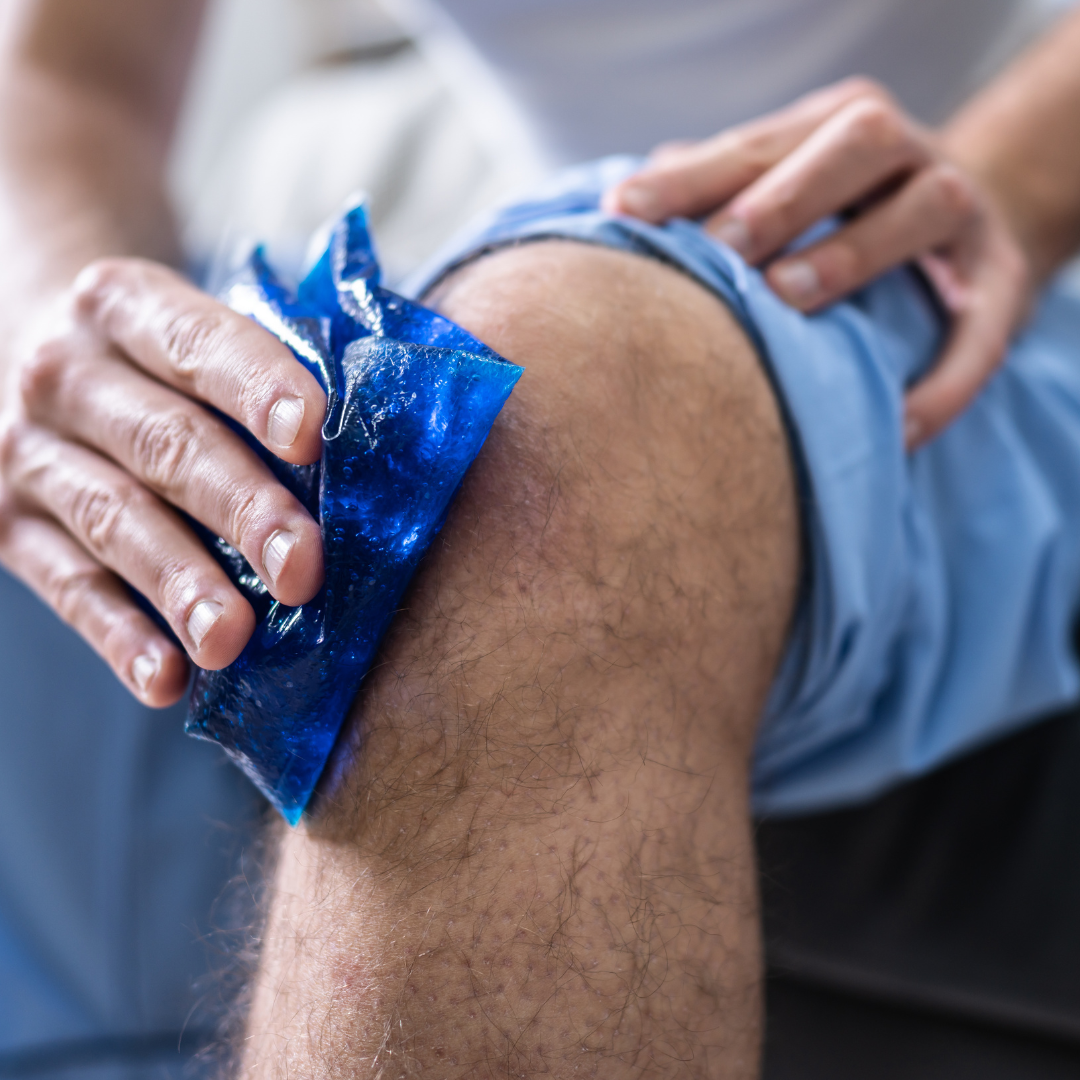
During a flare-up, temporarily adjusting aggravating activities may be more useful than stopping all movement. The appropriate approach depends on the injury and severity of your symptoms.
- Reduce drills or exercises that clearly aggravate symptoms
- Continue comfortable movement where appropriate
- Modify running volume, gym loads or impact temporarily
- Maintain unaffected areas of training where suitable
- Reintroduce sport-specific activity gradually
Seek assessment if symptoms are worsening, not settling or affecting normal movement.
Returning to sport and training
Returning to sport is often a staged process rather than a single decision. Progression should reflect the injury, current capacity and demands of your activity.
- Begin with movements that are currently well tolerated
- Increase volume and intensity separately where practical
- Progress towards faster, heavier or more reactive tasks
- Include sport-specific movements before full return
- Review symptom response between sessions
Rehabilitation matched to your activity
A return-to-sport plan should consider more than the injured body part. Your Physiotherapist may also discuss your playing position, weekly training schedule, competition demands, work commitments and access to equipment.
Rehabilitation may include gym exercises, running progressions, landing or change-of-direction tasks, throwing preparation or graded exposure to other movements relevant to your sport.
Where can I book?
Sports Injury Physiotherapy appointments are available at Mount Pleasant, Belmont and Regional WA clinics. Visit our Locations & Bookings page to choose the clinic that suits you.
A team with relevant clinical interests
Our AHPRA-registered Physiotherapists assess and manage sports injuries according to their clinical scope. Your appointment will be tailored to the demands of your activity, current stage of recovery and individual goals.
When to seek urgent medical attention
Seek prompt medical attention following a significant injury if there is severe pain, visible deformity, an inability to bear weight or use the affected area, or rapidly increasing swelling.
- Visible deformity following a collision, fall or other trauma
- Inability to move the area or bear weight normally
- Rapid or significant swelling
- Severe pain that is worsening quickly
- Loss of sensation, marked numbness or progressive weakness
- Head injury symptoms such as confusion, vomiting or loss of consciousness
Call triple zero or attend an emergency department when symptoms are severe or there may be a serious injury.
Sports Injury Physiotherapy FAQs
Can Physiotherapy help with sports injuries?
Physiotherapy may assist with assessment, symptom management and rehabilitation following many common sports injuries. The plan depends on the area involved, the demands of your activity and your current stage of recovery.
When can I return to sport?
Return timeframes vary according to the injury, symptoms and demands of the sport. Your Physiotherapist can help plan a staged progression using movement, strength and activity tolerance rather than relying only on a fixed date.
Should I stop training completely?
Not always. Some activities may need to be reduced or changed temporarily, while other parts of training may remain suitable. This depends on the injury and your assessment findings.
Do I need imaging for a sports injury?
Not always. Many sports injuries can initially be assessed clinically. Imaging or medical referral may be recommended when the injury mechanism, symptoms or examination findings indicate that further investigation would be useful.
Can you help with a recurring sports injury?
Recurring symptoms may be influenced by workload, recovery, strength, movement capacity or how quickly training has been progressed. Assessment can help identify which factors may be relevant to your presentation.
Do you offer dry needling?
Dry needling may be offered where clinically appropriate and with your consent. It is one possible option within a broader plan that may also include hands-on Physiotherapy, education and exercise.
Further reading
For general health information, you can also read information about sports injuries from Healthdirect .
Related Conditions
You may also find these pages helpful:
Book Sports Injury Physiotherapy in Perth & Regional WA
If a sports injury is affecting training, competition, work or confidence with movement, a Physiotherapy assessment can help clarify contributing factors and guide a practical rehabilitation plan. Appointments are available at Mount Pleasant, Belmont and Regional WA clinics.
Related: Physio Tips • Physiotherapy • Fees & Funding