

Elbow Pain Physiotherapy in Perth & Regional WA
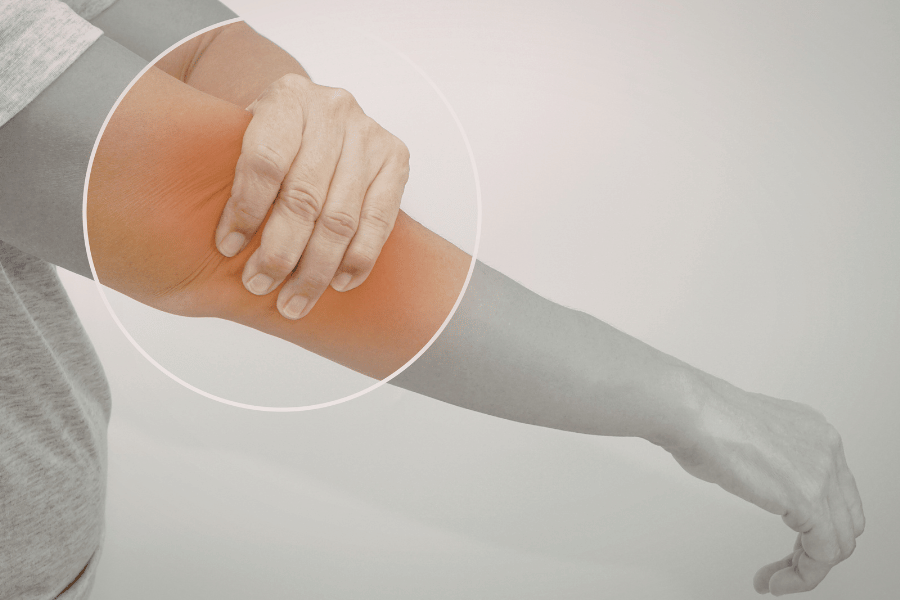
Elbow pain can affect lifting, gripping, typing, gym training, sport and everyday work. Our Physiotherapists provide assessment and treatment at Mount Pleasant, Belmont and Regional WA clinics, with a practical plan based on your symptoms, activities and goals.
Elbow problems may involve the surrounding tendons, muscles or joint structures. A Physiotherapy assessment can help identify which movements are aggravating your symptoms, what load the area currently tolerates and how to gradually rebuild strength and confidence.
Book an appointment
If elbow pain is affecting work, training, lifting or confidence with activity, a Physiotherapy assessment can help clarify the next steps.
Looking for general guidance?
Visit our Physio Tips & Advice page for practical information about movement, recovery and Physiotherapy.
Common elbow pain symptoms
Symptoms vary depending on the structures involved and the activities contributing to the problem. Some people notice pain mainly with gripping or lifting, while others feel it during desk work, training or repeated hand use.
- Pain around the outer or inner elbow
- Reduced grip strength or discomfort when carrying
- Pain with typing, lifting or repetitive work
- Symptoms during gym exercises or racquet sports
- Stiffness when beginning an activity
- Irritation after heavier or repeated loading
An assessment can help clarify what may be relevant to your presentation and why symptoms continue to return.
When to consider a Physiotherapy appointment
Physiotherapy may be useful when elbow symptoms are interfering with everyday activity or repeatedly return as work, exercise or sporting demands increase.
- Symptoms are not settling as expected
- Pain returns with gripping, lifting or upper-body training
- Work or household tasks are becoming uncomfortable
- Grip strength or confidence has reduced
- You are uncertain about returning to sport or heavier loading
What an elbow assessment may include
Your Physiotherapist will ask how the symptoms began, what makes them better or worse and which activities you want to resume. They may then assess the elbow and other areas of the upper limb that could be relevant.
- Assessment of elbow movement and symptom response
- Review of grip and lifting tolerance
- Assessment of the forearm, wrist and shoulder where relevant
- Review of work, sport, gym or repetitive activity demands
- Discussion of flare-up triggers and current activity tolerance
How Physiotherapy may help
Treatment is based on your assessment findings and individual goals. Depending on your presentation, your plan may include hands-on care, guided exercise, activity modification and gradual loading.
- Hands-on Physiotherapy where appropriate
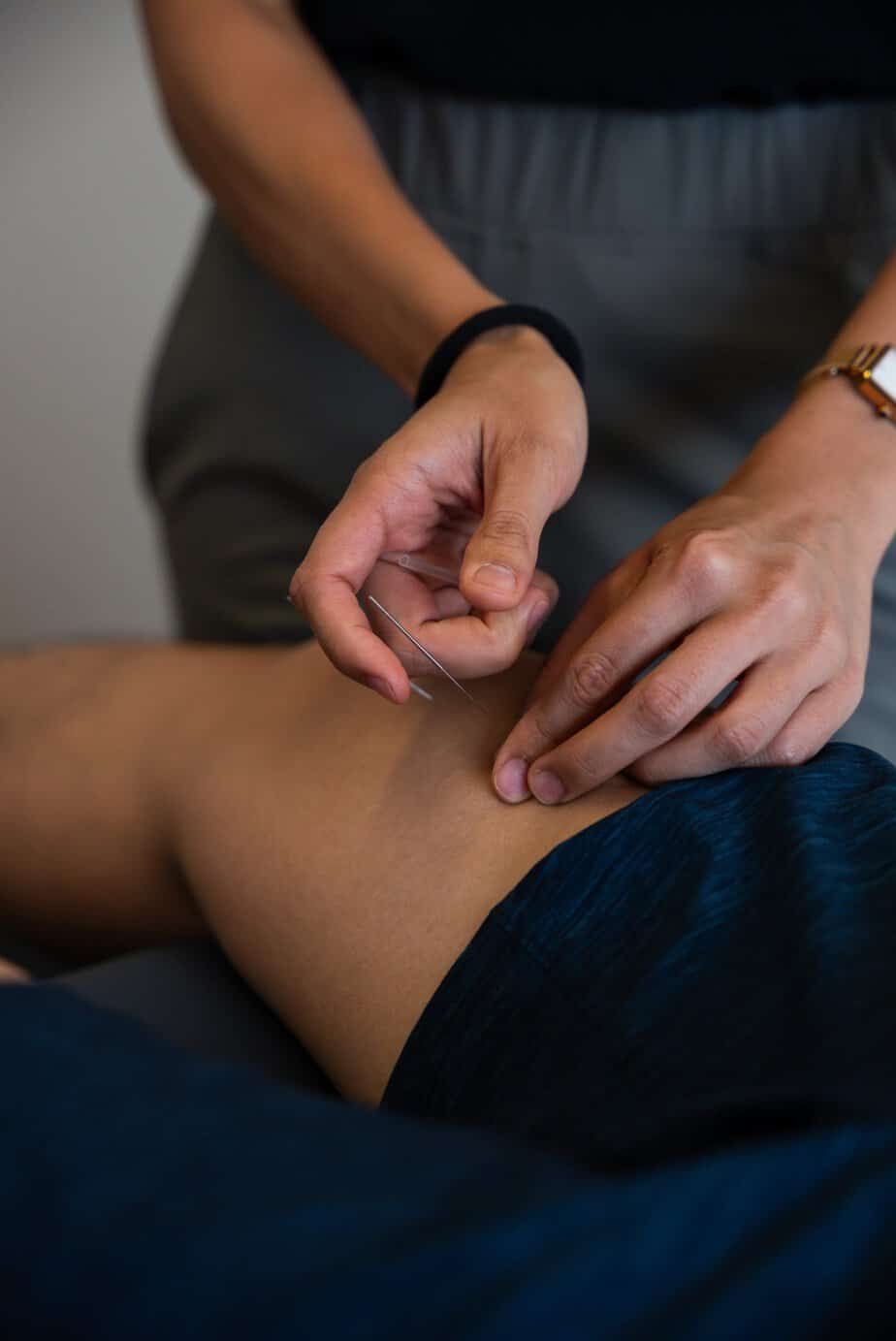
- Dry needling where suitable and with your consent
- Guided strengthening and rehabilitation exercises
- Advice about modifying aggravating activities
- Progressive planning for work, training or sport
Dry needling is one possible option within a broader Physiotherapy plan and is not required or appropriate for every presentation.
Possible contributors to elbow pain
Elbow symptoms commonly develop when the demands placed on the forearm muscles, tendons or joint exceed what the area currently tolerates. This can happen gradually or after a sudden increase in activity.
- Repetitive gripping, carrying or lifting
- Racquet sports, throwing or repeated upper-limb loading
- Rapid increases in gym volume or training intensity
- Repetitive work tasks or prolonged positions
- Changes in equipment, technique or activity demands
- Strength and capacity not yet matching current activity demands
Elbow symptoms can also occur alongside shoulder pain, neck pain, a sports injury or a work-related injury.
When to seek urgent medical attention
Seek prompt medical attention if elbow pain follows significant trauma, you cannot move the elbow normally or you are concerned about a fracture or other serious injury.
- An obvious deformity or suspected fracture
- Severe swelling or marked bruising
- Sudden inability to move the elbow
- A cold, pale or numb hand
- Increasing redness, heat, fever or feeling generally unwell
- Rapidly worsening pain or weakness following an injury
If you are uncertain about the seriousness of an injury, contact an appropriate medical service for advice.
Elbow Pain Physiotherapy FAQs
Is elbow pain always tennis elbow?
No. Elbow pain can relate to different muscles, tendons, joints or other upper-limb structures. An assessment can help clarify what may be contributing to your particular symptoms.
Should I stop training completely?
Not necessarily. Depending on the cause and severity of your symptoms, modifying an activity and gradually rebuilding load may be more appropriate than stopping everything. Your Physiotherapist can provide guidance after assessing the area.
Do you offer dry needling for elbow pain?
Dry needling may be offered when clinically appropriate and with your consent. It is one possible part of a broader Physiotherapy plan rather than a stand-alone treatment for every presentation.
Can elbow pain be related to work or gym training?
Yes. Repetitive tasks, gripping demands, lifting volume and upper-body training may contribute, particularly when activity increases faster than the area currently tolerates.
How long does elbow pain take to improve?
Recovery time varies according to the cause, how long symptoms have been present and the activities you need to resume. Your Physiotherapist can provide more individual guidance after completing an assessment.
Further reading
For additional general health information, read Healthdirect’s information about tennis elbow .
Related Conditions
You may also find these pages helpful:
Book Elbow Pain Physiotherapy in Perth & Regional WA
If elbow pain is affecting work, lifting, exercise or sport, our Physiotherapists can assess the area and help you develop a practical plan. Appointments are available at Mount Pleasant, Belmont and Regional WA clinics.
Related: Physio Tips & Advice • Physiotherapy