

What’s the Difference Between Physio and Massage?
Physiotherapy and massage can both involve hands-on care, but they are not the same service. The main difference is that Physiotherapy includes clinical assessment, diagnosis and a broader management plan, while massage is generally focused on soft tissue treatment, relaxation and symptom relief.
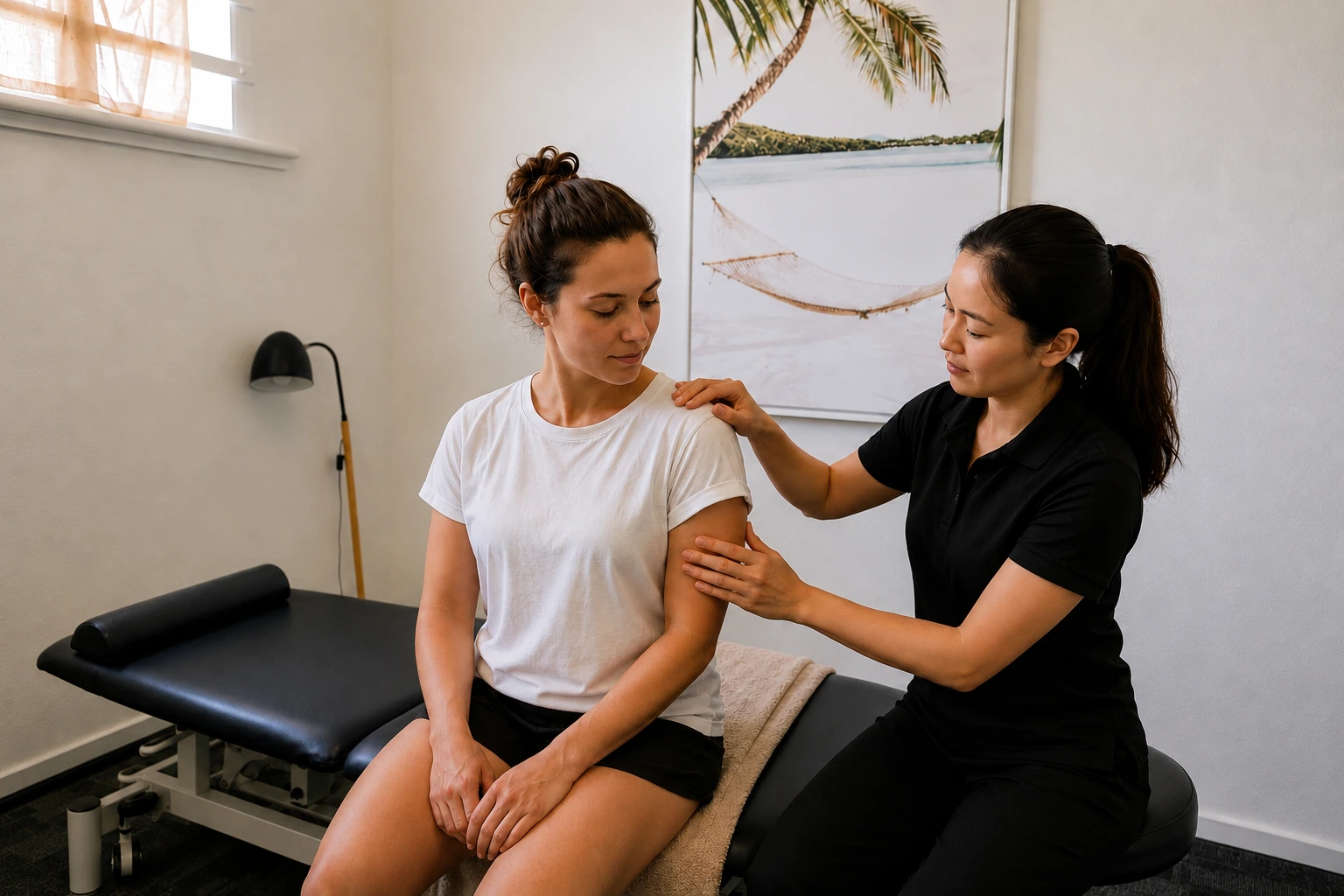
What’s the difference between Physio and massage? Physiotherapy is a registered allied health profession that involves assessment, clinical reasoning and treatment planning. Massage is a hands-on technique that focuses on muscles and other soft tissues and may be used for relaxation, general wellbeing or temporary symptom relief.
A Physiotherapist may use massage or other soft tissue techniques during treatment, but these are only one part of Physiotherapy.
What Does a Physiotherapist Do?
A Physiotherapist begins by assessing your symptoms, movement, strength, mobility, medical history and day-to-day function.
Depending on the reason for your appointment, they may assess how a joint moves, test muscle strength, look at movement patterns or discuss how work, sport, exercise or daily activity affects your symptoms.
The assessment then helps guide an individual treatment or rehabilitation plan.
Physiotherapy may include:
- Hands-on manual therapy
- Soft tissue techniques
- Exercise rehabilitation
- Strength and mobility work
- Dry needling where appropriate
- Education and activity advice
- Movement or load-management strategies
The key difference: a Physiotherapy session is guided by clinical assessment and a management plan rather than being defined by one hands-on technique.
What Does Massage Do?
Massage generally involves hands-on techniques applied to muscles and other soft tissues.
People may choose massage for relaxation, general wellbeing, muscle tension or because they simply enjoy hands-on treatment.
The exact approach varies depending on the practitioner and the type of massage being provided.
Massage itself does not necessarily involve the same clinical assessment, diagnosis or rehabilitation planning that forms part of Physiotherapy.
Does Physiotherapy Include Massage?
It can.
Physiotherapists may use massage, soft tissue techniques or other forms of hands-on treatment where they are appropriate for the person and their presentation.
However, Physiotherapy usually looks beyond temporary symptom relief. Your Physiotherapist may also address strength, mobility, movement, activity tolerance or other factors that could be contributing to the problem.
Massage can be one tool within Physiotherapy, but Physiotherapy is not simply massage.
Which Is Better for Muscle Tightness?
That depends on why the area feels tight and what you want from the appointment.
If you mainly want relaxation or hands-on soft tissue work, massage or bodywork may suit you.
If the tightness is persistent, keeps returning, is associated with pain or weakness, or is interfering with work, exercise or normal activity, a Physiotherapy assessment may be more appropriate.
A feeling of tightness does not always mean that one muscle simply needs to be “released”. Sometimes workload, movement habits, strength, mobility or sensitivity of the area may also be relevant.
What if I Have an Injury?
If you have an injury or a new problem affecting movement or function, Physiotherapy is generally the more appropriate starting point because the appointment includes assessment.
A Physiotherapist can help identify what may be contributing to your symptoms, whether other areas need to be assessed and what type of management may be appropriate.
This is particularly useful when symptoms are affecting walking, lifting, sport, work, sleep or your normal day-to-day activities.
What if I Just Want Hands-On Treatment?
It is completely reasonable to prefer hands-on care.
At Tweak Health, hands-on treatment may form part of Physiotherapy where appropriate, and our Physiotherapists also provide exercise and movement advice based on the findings of your assessment.
If your goal is mainly relaxation or general muscle tension rather than assessment or injury management, a wellness or bodywork appointment may be a better fit.
Is Massage the Same as Manual Therapy?
Not exactly.
Manual therapy is a broader term used for hands-on treatment techniques. It can include joint mobilisation, soft tissue work and other approaches used by Physiotherapists.
Massage is one form of hands-on soft tissue treatment, but the terms should not be treated as interchangeable.
Can Physio and Massage Be Used Together?
Yes. Some people choose both at different times depending on their goals.
For example, someone may see a Physiotherapist to assess a recurring problem and develop a rehabilitation plan, while also choosing massage or bodywork for relaxation or general wellbeing.
The important thing is that the purpose of each appointment is clear and appropriate for what you need.
How Do I Know Which Appointment to Book?
A simple way to think about it is to ask what you want from the session.
- Choose Physiotherapy if you want assessment, injury or pain management, rehabilitation, exercise guidance or help understanding why a problem keeps returning.
- Choose massage or bodywork if your main goal is relaxation, general wellbeing or hands-on soft tissue treatment without a Physiotherapy assessment.
If you are unsure, our reception team can help you determine which type of appointment is likely to suit what you are looking for.
Physiotherapy and Bodywork at Tweak Health
Tweak Health provides Physiotherapy from Mount Pleasant and Belmont in Perth, with additional regional Physiotherapy services in Newman, Koorda and Wongan Hills.
Our Physiotherapy approach may include hands-on treatment, dry needling, education and personalised exercise rehabilitation where appropriate.
Bodywork & Fascia Release is also available at our Mount Pleasant clinic for clients looking for a wellness-focused hands-on session.
Frequently Asked Questions
Is a Physiotherapist qualified to do massage?
Physiotherapists are trained in a range of hands-on treatment techniques, which may include soft tissue and massage-based approaches. Whether these techniques are used depends on the individual assessment and treatment plan.
Should I get a massage or see a Physio for back pain?
If back pain is persistent, recurrent, severe or affecting your normal activities, a Physiotherapy assessment may be useful because it can consider movement, strength, mobility and other contributing factors. Massage may be chosen mainly for short-term comfort or relaxation.
Can massage fix an injury?
Massage may help some people feel more comfortable, but injury management often involves more than soft tissue treatment alone. Assessment, activity modification, rehabilitation and gradual return to normal activity may also be relevant.
Can I book a Physio appointment just for hands-on treatment?
A Physiotherapy appointment still involves clinical assessment and treatment decisions based on that assessment. Hands-on treatment may be included where appropriate, but it is not automatically the entire session.
Which should I choose if I am not injured?
If you are mainly looking for relaxation or general wellbeing, massage or bodywork may be suitable. If you have persistent pain, stiffness, weakness or difficulty with movement, Physiotherapy may be the more appropriate starting point.
The Takeaway
Physiotherapy and massage overlap because both can involve hands-on treatment, but they serve different purposes.
Physiotherapy involves assessment, clinical reasoning and a broader management or rehabilitation plan. Massage is generally focused more specifically on hands-on soft tissue treatment, relaxation and general wellbeing.
If you are unsure which appointment is right for you, think about whether you want an assessment and treatment plan or primarily a hands-on wellness session.
Related Reading
Helpful to know: Physiotherapy is a regulated health profession in Australia. You can find general information about the profession through the Physiotherapy Board of Australia.