

What Causes Jaw Pain and TMJ Dysfunction?
Jaw pain can be frustrating, especially when it is linked with clicking, clenching, headaches, neck tension, or difficulty opening the mouth comfortably. This article explains common causes of jaw pain and how TMJ Physiotherapy in Perth may help assess factors contributing to jaw tension, stiffness, and movement discomfort.
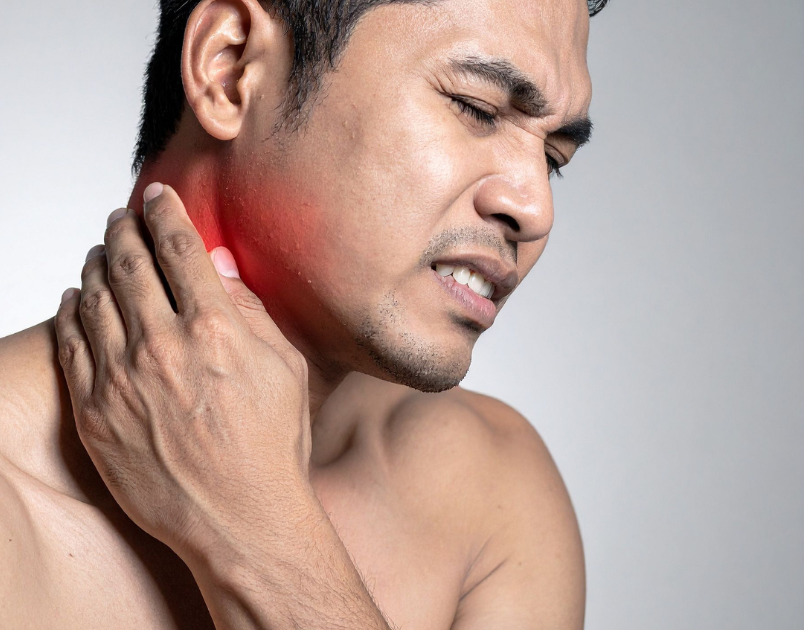

What Is TMJ Dysfunction?
The temporomandibular joint, often called the TMJ, is the jaw joint that connects the lower jaw to the skull. It helps with chewing, speaking, yawning, and opening or closing the mouth.
TMJ dysfunction is a general term used when the jaw joint, surrounding muscles, or movement pattern of the jaw becomes uncomfortable or difficult to control. Symptoms can vary from mild tension to more persistent jaw discomfort.
Common Causes of Jaw Pain
Jaw pain does not always come from one single cause. It may be related to the jaw joint itself, the muscles around the face and neck, or daily habits that place extra load through the jaw.
Common contributing factors may include:
- Teeth grinding or clenching
- Stress-related jaw tension
- Neck and shoulder muscle tightness
- Jaw joint irritation
- Posture-related strain
- Chewing habits or overuse of the jaw muscles
- Previous dental work, trauma, or prolonged mouth opening
Teeth Grinding and Clenching
Teeth grinding and jaw clenching can increase the load through the jaw muscles and TMJ. Some people notice this during the day, while others may clench or grind at night without realising.
Over time, this may contribute to jaw muscle tightness, tenderness around the face, headaches, or a feeling of fatigue through the jaw.
Can Neck Tension Affect the Jaw?
The jaw, neck, and shoulders are closely connected through muscles, nerves, and movement patterns. For some people, neck tightness and jaw tension occur together.
This is why jaw pain may sometimes sit alongside neck pain, headaches, upper shoulder tension, or posture-related discomfort. A Physiotherapy assessment may look beyond the jaw alone to understand what may be contributing.
Helpful to know: Jaw pain is not always just a jaw problem. The neck, shoulders, stress levels, clenching habits, and daily posture may all play a role.
Common Symptoms Linked With TMJ Dysfunction
TMJ symptoms can look different from person to person. Some people notice local jaw pain, while others notice symptoms around the head, neck, face, or ear area.
- Jaw pain or aching around the side of the face
- Clicking, popping, or catching in the jaw
- Difficulty opening the mouth comfortably
- Jaw fatigue when chewing or talking
- Headaches or facial tension
- Neck and shoulder tightness
- A feeling of pressure around the jaw or ear area
If symptoms are sudden, severe, associated with trauma, or linked with dental, ear, neurological, or medical concerns, it is important to seek appropriate medical or dental advice.
Can Jaw Pain Be Related to Headaches?
Jaw tension and headaches may occur together, particularly when the jaw muscles, neck muscles, or clenching habits are involved. Some people notice headaches around the temples, forehead, or side of the head.
If headaches are frequent, changing, or concerning, they should be assessed by an appropriate health professional. For musculoskeletal contributors, Physiotherapy may form part of the management approach. You may also find our page on Headache Physiotherapy in Perth helpful.
How Physiotherapy May Support Jaw Pain
Physiotherapy for jaw pain usually starts with understanding how the jaw, neck, shoulders, and surrounding muscles are moving and loading. The goal is to identify contributing factors and develop a plan that suits the person’s symptoms, lifestyle, and needs.
Your Physiotherapist may assess:
- Jaw movement and opening pattern
- Muscle tension around the jaw, neck, and shoulders
- Posture and daily loading habits
- Clenching, stress, or aggravating behaviours
- Neck mobility and upper body movement
- Exercises that may support control and comfort
Management may include education, hands-on treatment, gentle mobility work, strengthening or control exercises, and practical advice around habits that may be contributing to symptoms.
When Should You Seek Help for Jaw Pain?
It may be worth seeking help if jaw pain is persisting, worsening, interrupting sleep, affecting eating, or occurring with headaches or neck tension. Early assessment can help clarify what may be contributing and what steps may be appropriate.
At Tweak Health Physio, TMJ and jaw pain appointments are available with selected Physiotherapists across our Perth and regional locations. Availability may vary by clinic, so booking with the correct practitioner is important.
Related Reading
Further reading: research related to temporomandibular disorders can be explored on PubMed.