
What Does a Physiotherapist Actually Do?
Physiotherapists are healthcare professionals who assess, diagnose, and help manage conditions affecting movement, mobility, muscles, joints, nerves, and overall physical function. This guide explains what happens during a Physiotherapy appointment, what treatment may involve, and when someone may consider booking an assessment.

People may see a physiotherapist for a wide range of concerns including neck pain, back pain, sports injuries, headaches, jaw tension and TMJ-related concerns, work-related discomfort, post-operative recovery, and general mobility concerns.
At Tweak Health Physio & Wellness, Physiotherapy appointments in Perth are tailored to the individual. Sessions may include assessment, hands-on treatment, exercise guidance, education, movement analysis, and strategies aimed at supporting long-term physical wellbeing.
What happens during a Physiotherapy appointment?
A Physiotherapy appointment usually begins with a detailed discussion about symptoms, medical history, work demands, exercise habits, daily activities, and movement limitations. The physiotherapist may then perform a physical assessment looking at mobility, strength, balance, posture, movement patterns, and areas of discomfort.
Following the assessment, the physiotherapist may discuss possible contributing factors and develop a management plan tailored to the individual’s goals and presentation. This may include treatment in the appointment, home-based advice, exercise guidance, or recommendations about the next step.

What types of treatment might a physiotherapist use?
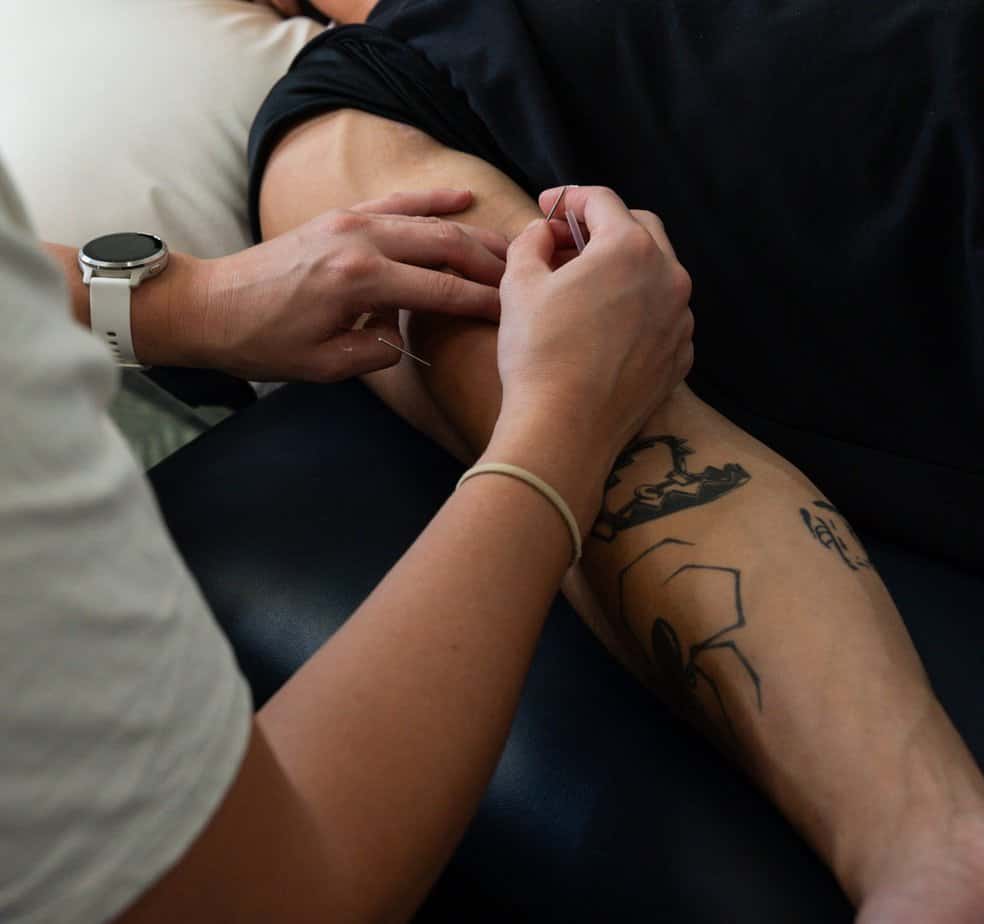
Treatment approaches vary depending on the person and the condition being assessed. A Physiotherapy session may include hands-on techniques, exercise rehabilitation, movement retraining, dry needling, mobility work, strength-based rehabilitation, education, pacing advice, and Clinical Exercise.
Some physiotherapists may also work with specific clinical interests such as jaw-related concerns, vestibular rehabilitation, women’s health, vocal Physiotherapy, sports rehabilitation, or post-operative recovery.
What is hands-on Physiotherapy?
Hands-on Physiotherapy refers to treatment techniques performed directly by the physiotherapist. This may include joint mobilisation, soft tissue techniques, trigger point work, stretching, movement assistance, or other manual approaches.
Hands-on treatment is often combined with exercise and education as part of a broader management approach. The aim is to support the person’s overall plan rather than relying on one treatment method alone.
Can Physiotherapy include exercise?
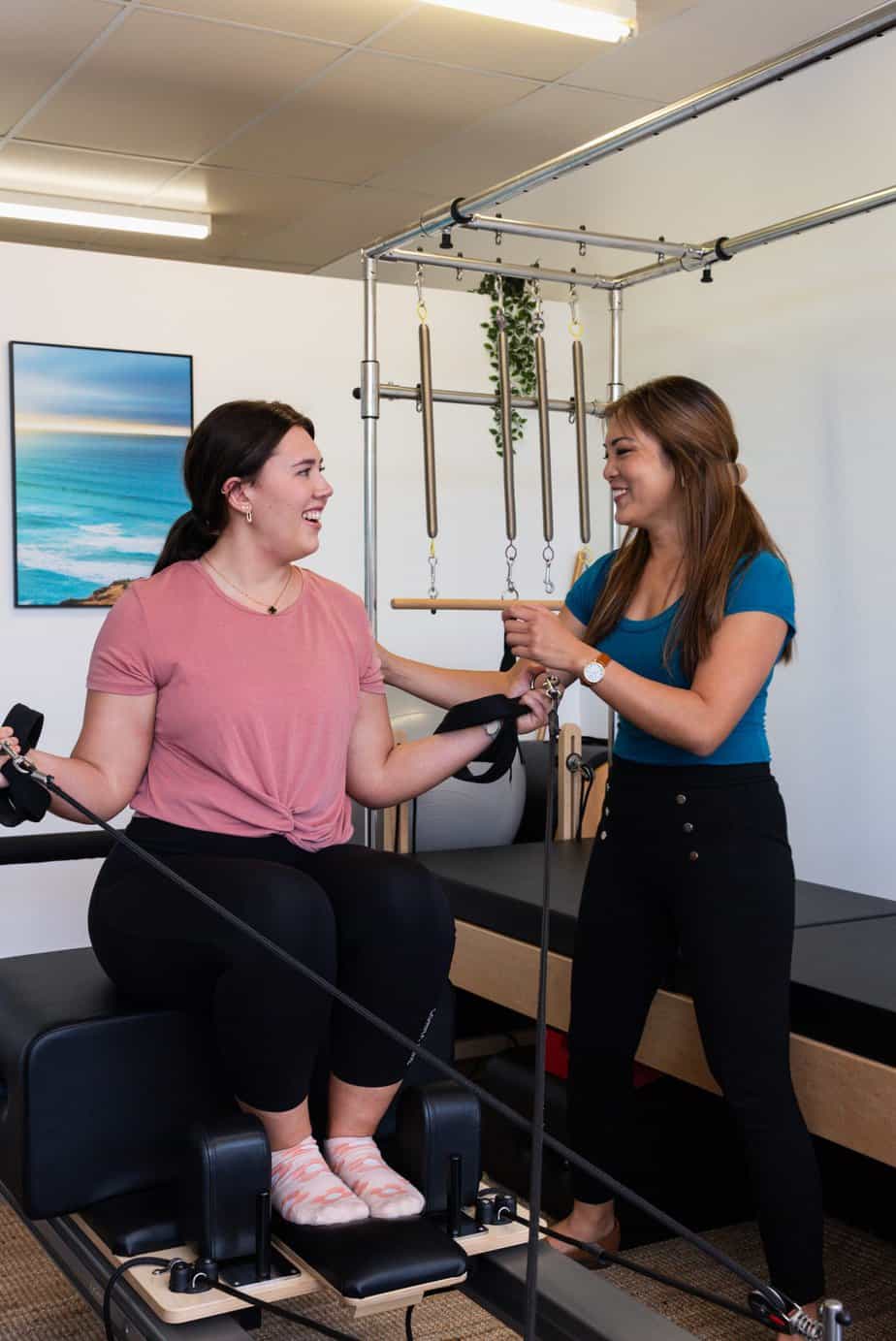
Yes. Exercise is commonly used within Physiotherapy to support mobility, strength, balance, coordination, and movement confidence.
At Tweak Health Physio & Wellness, Clinical Exercise sessions may include guided rehabilitation using equipment such as reformers, strength equipment, and functional movement exercises depending on the clinic location and individual presentation.
When should someone consider seeing a physiotherapist?
People may choose to see a physiotherapist when physical symptoms begin affecting daily activities, exercise participation, work demands, sleep, mobility, or general quality of life.
Some people also attend Physiotherapy proactively for movement assessment, rehabilitation guidance, strength progression, or support returning to activity following injury or surgery.
What conditions might physiotherapists help assess and manage?
Physiotherapists commonly work with musculoskeletal and movement-related presentations including:
- Neck pain and lower back discomfort
- Sports and gym-related injuries
- Headaches and jaw tension
- Shoulder, knee, ankle, hip, and elbow concerns
- Workplace and work-related strain
- Balance and mobility concerns
- Post-operative rehabilitation
- Strength and movement rehabilitation
Management approaches vary between individuals and depend on clinical assessment findings. You can also explore our broader Physiotherapy conditions page for related information.

Frequently asked questions
Do I need a referral to see a physiotherapist?
In many cases, no referral is required to book a Physiotherapy appointment. Some funding pathways, insurance claims, Medicare plans, or workplace claims may have specific requirements.
What should I wear to a Physiotherapy appointment?
Comfortable clothing that allows movement assessment is usually recommended. Depending on the area being assessed, your physiotherapist may need to observe how you move, bend, reach, walk, or perform specific tasks.
Is Physiotherapy only for sports injuries?
No. Physiotherapists work with a wide range of musculoskeletal, mobility, workplace, rehabilitation and general movement concerns. Sports injuries are only one area of Physiotherapy care.
Can Physiotherapy include dry needling?
Some physiotherapists with additional training may incorporate dry needling into treatment where clinically appropriate and with client consent.
Does Physiotherapy always include hands-on treatment?
Not always. Some appointments may include hands-on treatment, while others may focus more on exercise, education, movement assessment, rehabilitation planning, or self-management strategies.
Related reading
These related pages may help you explore common Physiotherapy topics in more detail.
Further assessment and management recommendations should always be based on an individual consultation with a qualified healthcare professional. All Physiotherapists at Tweak Health Physio & Wellness are AHPRA-registered.
Ready to book a Physiotherapy appointment?
Choose your preferred Tweak Health Physio clinic online, or call our reception team if you are unsure which location or appointment type is most suitable.
View locations & book online