4 Simple Stretches to Relieve Back Pain
Back pain can affect work, sleep, exercise, and day-to-day routine. While stretching is not the answer for every type of back pain, gentle movement can sometimes help reduce tension, improve mobility, and make the back feel less stiff. These four simple stretches can be a useful starting point for mild back tightness and general stiffness.
Before starting, choose a comfortable surface such as a mat, carpeted floor, or padded area. Move gently and avoid forcing any stretch into sharp pain. The aim is to ease into movement, not push through discomfort.
1️⃣ Extended Child’s Pose
Child’s Pose is a gentle stretch often used to reduce tension through the lower back, hips, and muscles along the spine. It can feel especially helpful if the back has become tight after sitting, standing, or a busy day.
- Start on your hands and knees
- Move your hips back toward your heels
- Reach your arms forward and let your chest sink down comfortably
- Hold for 20–30 seconds while breathing slowly
You may feel a comfortable stretch through the lower back, shoulders, and hips.
2️⃣ Knee-to-Chest
This stretch can help gently relax the lower back, hips, and glutes. It is often used when the back feels stiff or compressed, especially after rest or inactivity.
- Lie on your back with both knees bent
- Bring one knee toward your chest
- Use your hands to gently hold the leg
- Hold for 20–30 seconds, then repeat on the other side
If comfortable, you can also bring both knees in together for a slightly different stretch through the low back.
3️⃣ Downward Facing Dog
Downward Facing Dog offers a broader stretch through the back, hamstrings, calves, and shoulders. Tightness through the hamstrings and calves can sometimes influence how the lower back moves and feels, so this stretch can be useful as part of a whole-body approach.
- Start on your hands and knees
- Lift your hips up and back to form an inverted “V” shape
- Keep a soft bend in the knees if needed
- Press through your hands and lengthen through the spine
If your calves are particularly tight, it may help to ease into this stretch gradually. Tight calves and lower limb tension can sometimes also contribute to issues such as heel pain and plantar fasciitis, particularly when load builds up over time.
4️⃣ Upward Facing Dog
This movement encourages extension through the spine and can feel helpful for some people whose back becomes stiff after prolonged sitting. It also stretches the chest, shoulders, and front of the body.
- Lie face down with your hands beside your chest
- Gently press through your hands to lift your chest
- Keep your shoulders relaxed and avoid forcing height
- Move within a comfortable range
If this position feels too strong, a smaller version such as a gentle press-up may be a better starting point.
Why Stretching Can Help — But Has Limits
Stretching can be useful for reducing tension and improving comfort in the short term, especially if stiffness is part of the problem. However, stretching alone is not always enough for ongoing back pain.
Persistent back pain is often influenced by a combination of factors such as strength, general activity levels, work demands, recovery, movement habits, and how much load the body is handling overall. This is why some people feel temporarily better after stretching, but symptoms keep returning later.
Important: if a stretch causes sharp pain, numbness, strong leg symptoms, or makes your back feel worse afterward, stop and get it assessed rather than repeatedly pushing through it.
When to Get Help for Back Pain
If your back pain is not improving, keeps returning, or is affecting your ability to work, exercise, sleep, or stay active, it may be worth getting assessed properly. The goal is to understand what is actually driving the pain rather than relying only on temporary relief strategies.
That may involve looking at movement, strength, work setup, daily load, and exercise tolerance rather than just adding more stretches.
How Physiotherapy Can Help
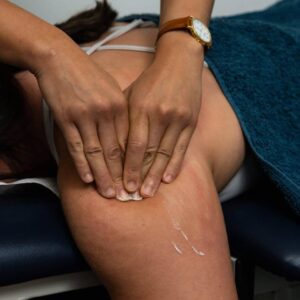
Physiotherapy for back pain may include hands-on treatment, movement advice, strength-based rehabilitation, and a plan to improve confidence with activity over time. In some cases, stretches are a useful part of the picture. In others, a more targeted strengthening or load management plan is more important.
The right approach depends on the person, how long the pain has been there, and what seems to aggravate it.
Related Reading
Further reading: if you want a broader research source on exercise and back pain, use your preferred clinical reference or journal source here.
Still struggling with back pain?
BOOK YOUR APPOINTMENT TODAY