Dry Needling in Physiotherapy
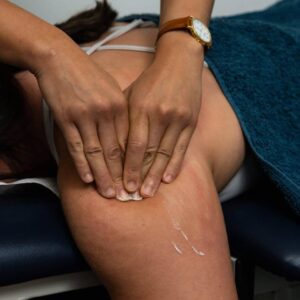
Dry needling is one technique that may be used within Physiotherapy management where appropriate. At Tweak Health Physio, our Physiotherapists may use dry needling alongside hands-on treatment, exercise guidance and movement-based rehabilitation depending on your presentation, preferences and goals.
What is dry needling?
Dry needling is a technique where a trained Physiotherapist uses a fine, sterile needle in selected soft tissue areas. No medication or fluid is injected.
In Physiotherapy, dry needling may be considered where muscle sensitivity, tightness, movement-related discomfort or soft tissue tension appear relevant to the presentation. It is usually one part of a broader management approach.
Depending on the individual assessment, treatment may also include hands-on Physiotherapy, education, exercise guidance, activity modification or rehabilitation planning.
What to expect during a dry needling session
Your Physiotherapist will first assess your symptoms, health history, movement and goals before discussing whether dry needling may be appropriate for you.
If used, fine sterile needles are placed into selected areas for a short period of time. People experience the technique differently — some feel very little, while others may notice a brief ache, twitch response, heaviness or temporary soreness afterwards.
Your Physiotherapist will explain the process, answer questions and obtain consent before treatment.
Is dry needling suitable for everyone?
Dry needling may not be suitable for everyone. Certain medical conditions, medication use, pregnancy-related considerations, infection risk, or needle concerns may affect whether the technique is appropriate.
Your Physiotherapist will discuss your health history and preferences before deciding whether dry needling should be considered as part of your management plan.
Safety considerations
Dry needling should only be performed by appropriately trained health professionals working within their professional scope and regulatory requirements. At Tweak Health Physio, Physiotherapists using dry needling have completed additional training in the technique.
Dry needling as part of Physiotherapy management
Dry needling is usually considered alongside broader Physiotherapy management rather than as a stand-alone technique. Depending on your presentation, this may include assessment, hands-on Physiotherapy, exercise guidance, rehabilitation planning and education.
Management is tailored to your presentation, goals, activity demands and preferences.
Dry Needling FAQs
These answers are general in nature. Dry needling is not suitable for everyone, so your Physiotherapist will discuss your presentation, preferences and consent before considering this technique.
What is dry needling?
Dry needling is a technique where a trained Physiotherapist uses a fine, sterile needle in selected soft tissue areas. It does not involve injecting medication or fluid.
Is dry needling the same as acupuncture?
No. Dry needling and acupuncture both use fine needles, but they are based on different assessment frameworks and treatment approaches. In Physiotherapy, dry needling is usually considered in relation to muscles, soft tissue sensitivity and movement-related symptoms.
Is dry needling painful?
People experience dry needling differently. Some feel very little, while others may notice a brief ache, twitch, heaviness or post-treatment soreness. Your Physiotherapist will explain what to expect and can stop at any time if you are uncomfortable.
When might a Physiotherapist use dry needling?
A Physiotherapist may consider dry needling when soft tissue sensitivity, muscle tightness or movement-related discomfort appears relevant to your presentation. It is usually used as part of a broader management plan rather than as a stand-alone approach.
Is dry needling suitable for everyone?
No. Dry needling may not be suitable for some people, including those with certain medical conditions, needle concerns, pregnancy-related considerations, infection risk, or specific medication use. Your Physiotherapist will check relevant history and discuss suitability first.
Do I need dry needling for my appointment?
No. Dry needling is optional and only used where appropriate and with your consent. Your Physiotherapist can discuss other options such as hands-on treatment, exercise guidance, education and activity advice.
Further reading: PubMed.