
Plantar Fasciitis: Causes, Symptoms and Physiotherapy Management
Plantar fasciitis is one of the most common causes of heel pain. It can make walking, standing, and even getting out of bed uncomfortable. Understanding how it develops and how to manage load through the foot is key to recovery.
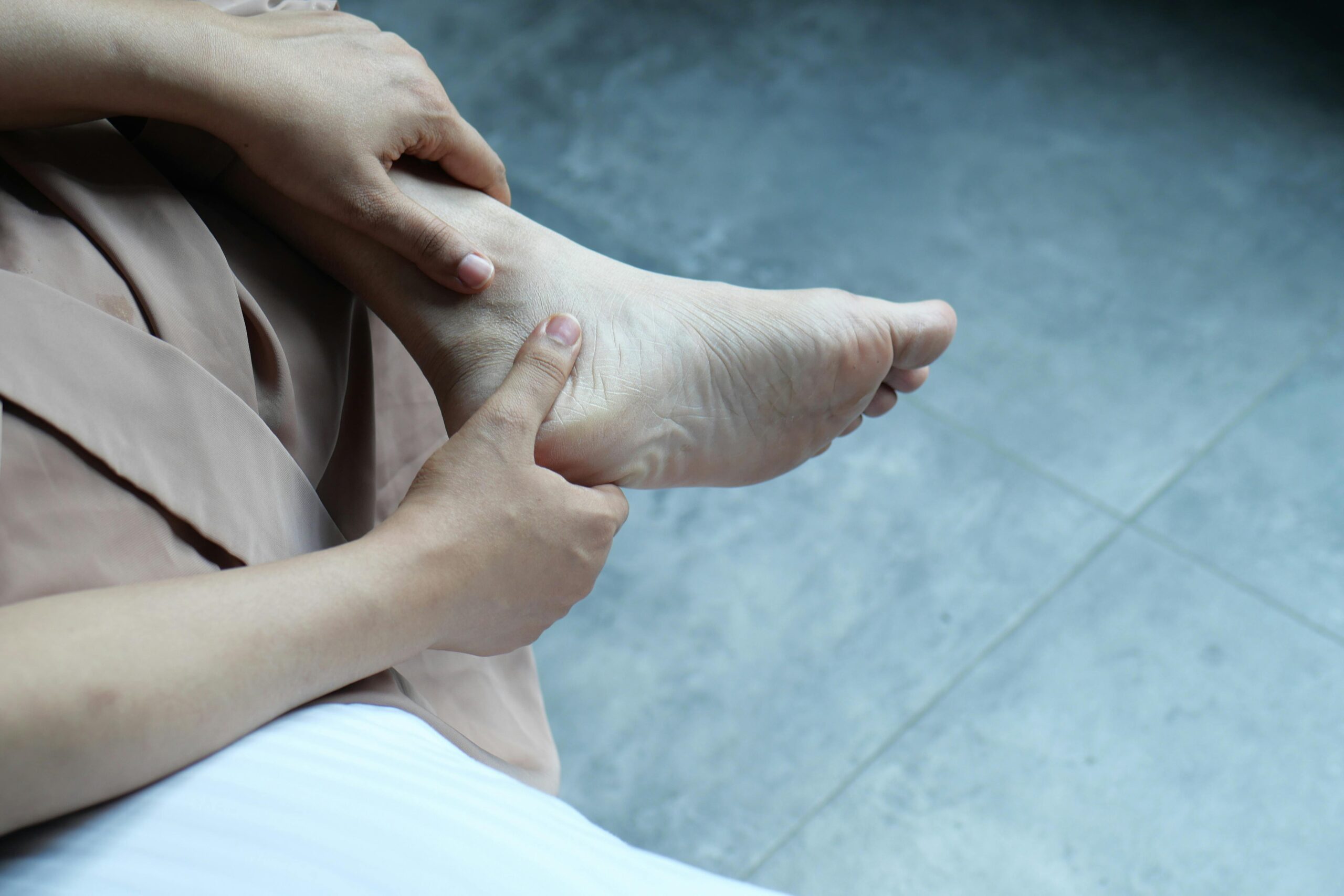

What Is Plantar Fasciitis?
The plantar fascia is a thick band of connective tissue that runs along the bottom of the foot, connecting the heel bone to the toes. It helps support the arch of the foot and plays an important role in walking, running, and pushing off the ground.
When the load placed on the plantar fascia becomes more than it can comfortably tolerate, the tissue can become irritated. Over time, this can lead to pain and stiffness commonly associated with plantar fasciitis.
Common Symptoms of Plantar Fasciitis
- Pain under the heel or along the arch of the foot
- Stiffness and discomfort first thing in the morning
- Pain after periods of rest or inactivity
- Symptoms that worsen with prolonged standing or walking
- A dull ache, sharp discomfort, or burning sensation through the heel area
One of the more frustrating parts of plantar fasciitis is that it can become quite persistent if it is ignored early. Because the foot is under regular daily load, symptoms may linger if the underlying irritation is not managed properly.
Why Does Plantar Fasciitis Develop?
Plantar fasciitis is often considered a load-related or overuse condition. This means it commonly develops when there is a mismatch between the demands placed on the foot and the tissue’s current ability to cope with those demands.
Contributing factors may include:
- A sudden increase in walking, running, or activity levels
- Calf tightness or weakness
- Footwear changes or reduced support
- Long periods of standing for work or daily activity
- Foot mechanics and arch loading patterns
- Reduced strength through the foot and lower limb
Some medical conditions can also influence how the tissue responds to load, which is why management may need to be individualised.
Why Can Plantar Fasciitis Take Time to Improve?
The plantar fascia is involved in almost every step you take, so it is difficult to fully rest. Recovery is usually not about complete inactivity. Instead, it tends to improve best when load is managed sensibly and the foot is gradually built back up over time.
This is why recovery often involves the same principles seen in progressive overload — reducing irritation first, then gradually rebuilding strength and tolerance as symptoms allow.
Important: complete rest is not always the answer. The goal is usually to reduce aggravating load for a period, then reintroduce movement and strengthening in a more structured way.
How Physiotherapy Can Help
Physiotherapy for plantar fasciitis usually focuses on reducing irritation, improving load tolerance, and helping the foot return to normal function as comfortably as possible.
Your Physiotherapist may use a combination of:
- Load management and activity modification
- Taping to support the foot
- Hands-on treatment to surrounding muscles such as the calf
- Mobility and strengthening exercises
- Advice around footwear and daily habits
- Guidance on return to walking, running, or work demands
In many cases, exercise is a central part of the plan, helping improve strength through the foot, ankle, and calf complex over time.
What Helps Recovery?
Recovery is usually gradual rather than instant. Helpful strategies often include:
- Temporarily reducing aggravating activities
- Improving strength and calf capacity progressively
- Managing daily load rather than avoiding movement entirely
- Choosing footwear that feels more supportive and comfortable
- Allowing the tissue time to settle while still staying active in a sensible way
When Should You Seek Help?
If heel pain is persisting, worsening, or affecting your ability to work, exercise, or stay active, it may be worth having it assessed properly. Early guidance can help prevent symptoms from becoming more prolonged or harder to manage.
Related Reading
Further reading: research related to plantar fasciitis can be explored on PubMed.